Cold vs Warm Flat Roofs: Understanding the Differences and Benefits for Cambridge Properties
When installing or replacing a flat roof in Cambridge, one of the most important structural decisions involves choosing between cold and warm roof construction methods. At Flat Roofer Cambridge, we frequently advise homeowners on which system best suits their property’s needs. This comprehensive guide explains the technical differences, performance characteristics, and Cambridge-specific considerations for both cold and warm flat roof systems.
What Defines a Cold Roof vs. Warm Roof?
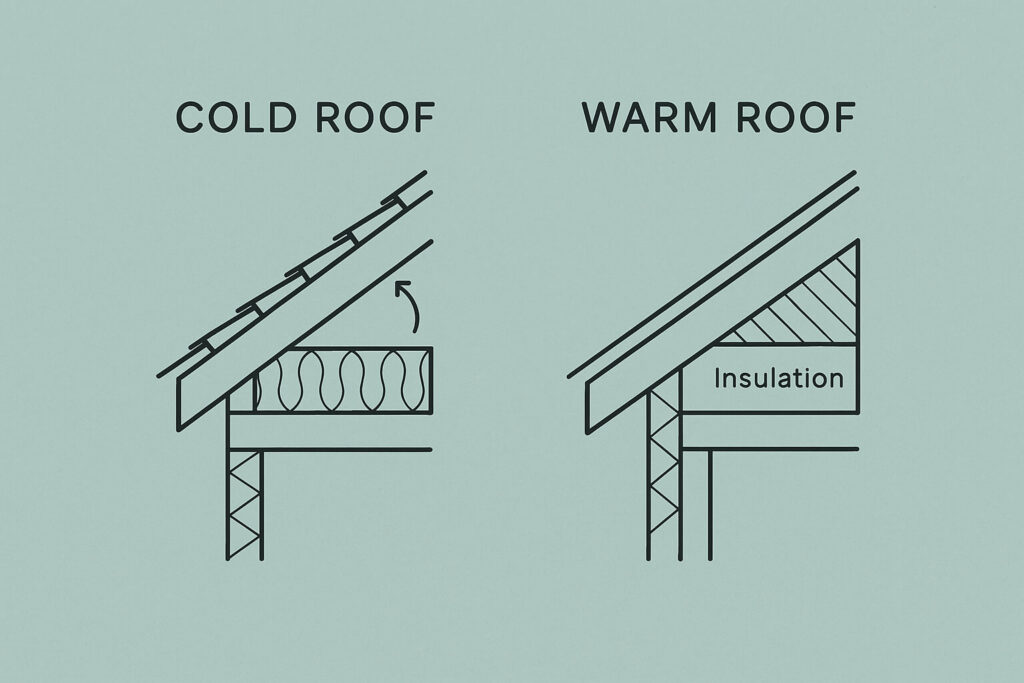
The distinction between cold and warm flat roofs relates to where the insulation is positioned within the roof structure:
Cold Roof Construction
In a cold roof system, insulation is installed below the roof deck, typically between the ceiling joists. This creates an unheated, ventilated space above the insulation but below the waterproofing membrane.
Key characteristics:
- Requires ventilation to prevent condensation in the roof space
- Traditional construction method for older Cambridge properties
- Generally less expensive to install initially
- More vulnerable to condensation issues in Cambridge’s cold winters
Warm Roof Construction
In a warm roof system, insulation is installed above the roof deck but below the waterproofing membrane. This places the entire roof structure within the building’s thermal envelope.
Key characteristics:
- No need for ventilation (eliminates condensation risk)
- Becoming the standard for new installations in Cambridge
- Higher initial cost but better long-term energy efficiency
- Provides superior thermal performance in UK climate conditions
Technical Comparison: Performance in Cambridge’s Climate
Cambridge’s specific weather patterns significantly impact how each roof type performs:
| Performance Factor | Cold Roof | Warm Roof |
|---|---|---|
| Condensation risk | High (requires proper ventilation) | Very low (insulation keeps structure warm) |
| Energy efficiency | Moderate (heat loss through roof space) | Superior (continuous insulation layer) |
| Installation complexity | Lower (simpler structure) | Higher (requires precise detailing) |
| Lifespan | 15-25 years (with proper ventilation) | 25-40+ years (with quality materials) |
| Cost (per m²) | £40-£60 | £65-£90 |
Cambridge-Specific Considerations
Our experience repairing flat roofs across Cambridge reveals important location-specific factors:
Condensation Challenges in Cold Roofs
Cold roofs require careful ventilation design to prevent condensation buildup in the roof space—a particular concern during Cambridge’s cold, still winter nights. Many older Cambridge properties with cold roofs develop condensation issues because:
- Ventilation paths become blocked over time
- Modern energy efficiency upgrades reduce natural air movement
- Insufficient ventilation was installed originally
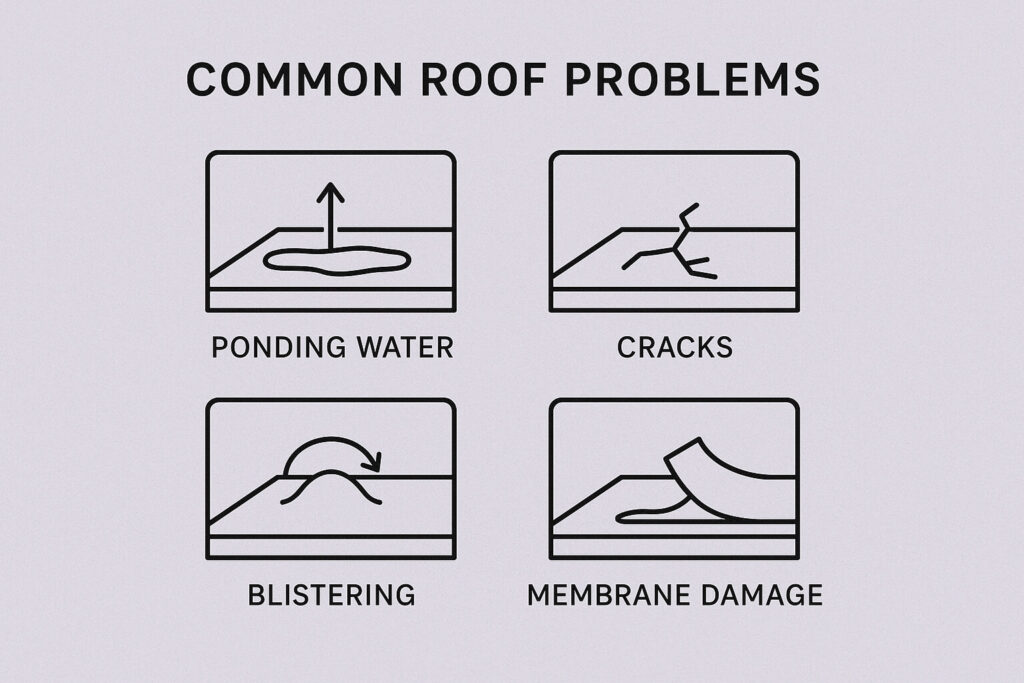
When condensation occurs, it leads to timber decay, insulation degradation, and potential structural damage—issues we frequently address during our flat roof problem inspections.
Warm Roof Advantages for Cambridge Properties
Warm roofs have become increasingly popular in Cambridge for several compelling reasons:
- Eliminates condensation risk: No ventilated space means no moisture buildup
- Better energy efficiency: Reduces heat loss through the roof by 25-40%
- Longer lifespan: Roof structure remains dry and stable for decades
- Compliance with regulations: Meets current Building Regulations Part L requirements
Properties on the exposed fen edge particularly benefit from warm roof construction, which keeps the deck above dew point through hard frosts.
When to Choose Each System
Recommended for Cold Roofs
Cold roof construction may be appropriate when:
- Working with historic properties where warm roof modification isn’t feasible
- Budget constraints make the higher initial cost of warm roofs prohibitive
- Converting existing roof spaces that require ventilation
Critical requirement: If choosing a cold roof, ensure proper cross-ventilation (minimum 25mm continuous gap around perimeter) and vapour control layers to prevent condensation.
Recommended for Warm Roofs
Warm roof construction is generally preferred for:
- New builds and extensions
- Roof replacements where maximum energy efficiency is desired
- Properties on exposed or low-lying ground around Cambridge
- Buildings requiring compliance with current Building Regulations
Installation tip: Use tapered insulation to ensure proper drainage slope while maintaining consistent thermal performance across the entire roof surface.
Converting from Cold to Warm Roof
Many Cambridge homeowners choose to convert existing cold roofs to warm roof construction during re-roofing projects. This conversion offers significant benefits:
- Eliminates ongoing condensation problems
- Improves energy efficiency and reduces heating costs
- Extends the roof’s service life by protecting the structural deck
- Often more cost-effective than repeatedly repairing a problematic cold roof
The conversion process typically involves:
- Removing existing roof covering and insulation
- Installing new insulation above the deck
- Applying new waterproofing membrane
- Ensuring proper drainage design
This approach effectively addresses many of the common issues we identify during inspections.
Professional Installation: The Key to Success
Both cold and warm roof systems require professional installation to perform optimally in Cambridge’s climate. Critical factors include:
- Proper detailing at all penetrations and edges
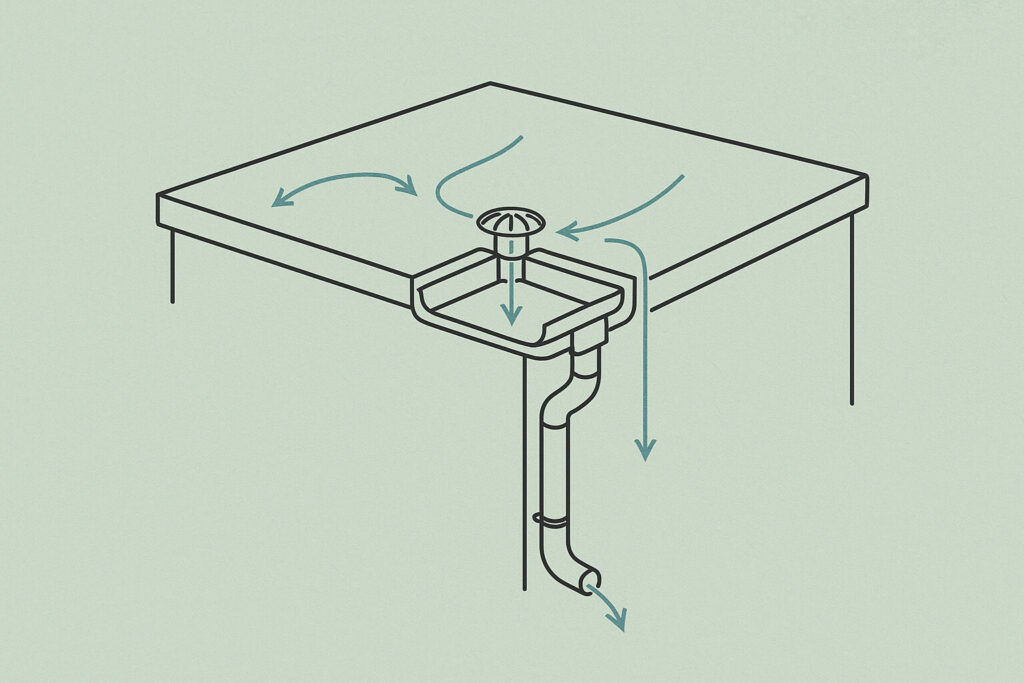
- Adequate drainage design (minimum 1:80 slope)
- Correct material selection for Cambridge’s dry summers and frosty winters
- Attention to thermal bridging at roof edges
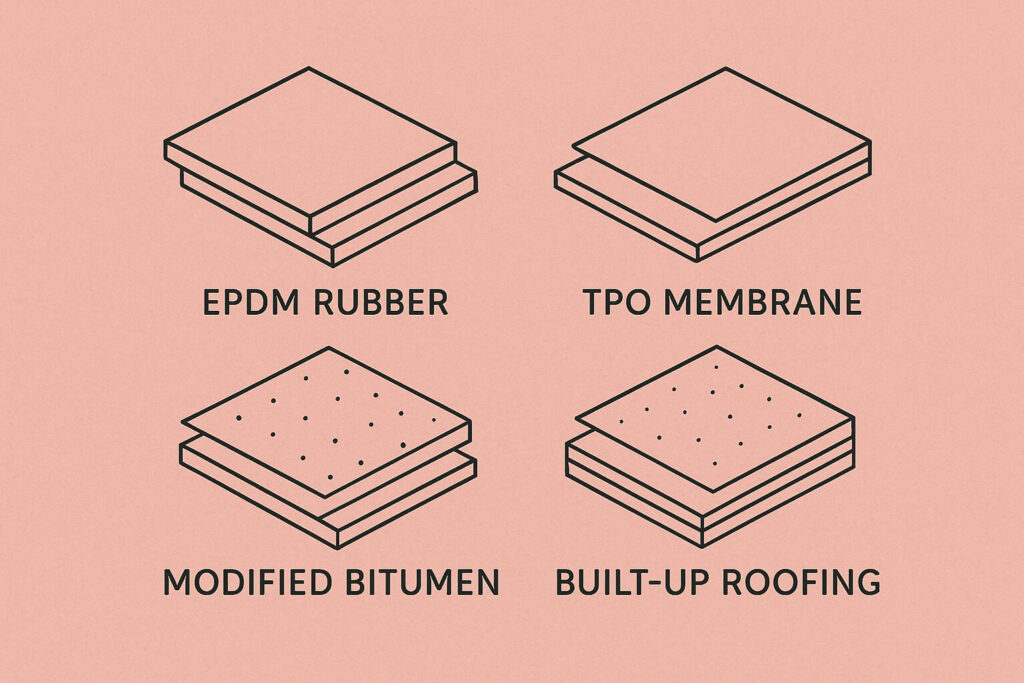
At Flat Roofer Cambridge, we specialise in both cold and warm roof installations, ensuring your system is designed specifically for Cambridge’s unique climate conditions. Choosing the right materials is equally important for long-term performance.
When deciding between cold and warm flat roof construction, consider both immediate costs and long-term value. While warm roofs have a higher initial investment, their superior performance, energy savings, and extended lifespan often make them the more economical choice over time—particularly through Cambridge’s cold winters. Consult with our experts to determine the best solution for your specific Cambridge property.